

- Product
- Increase Client Engagement
- Elevating the Client Experience
- Minimize Operational Inefficiencies
Product Features
Client Outcomes
Discover the three pillars that drive everything we do.
- Services
- Increase Client Engagement
- Elevating the Client Experience
- Minimize Operational Inefficiencies
Professional Services
Client Outcomes
Discover the three pillars that drive everything we do.
- Resources
- Increase Client Engagement
- Elevating the Client Experience
- Minimize Operational Inefficiencies
Resources
Client Outcomes
Discover the three pillars that drive everything we do.










New Consent Rules Are Coming for Your Open Rates
France and Italy have ruled that email tracking pixels need consent, the same as cookies. If your platform tracks every recipient the same way, you're looking at a choice between switching tracking off and staying compliant. ConsentTrack means you don't have to choose.

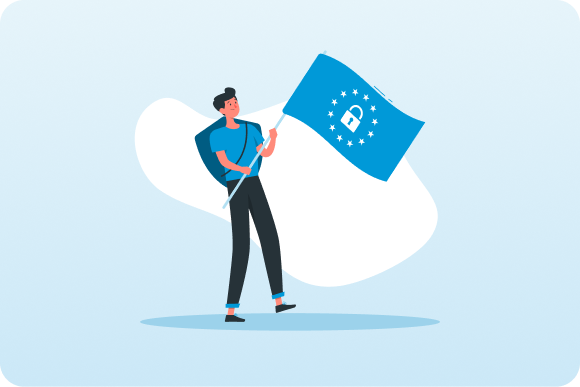
France and Italy Just Redrew the Line on Email Tracking
France's CNIL and Italy's Garante both reached the same conclusion this year: an email tracking pixel is personal data collection, and collecting it without consent breaks existing GDPR and ePrivacy rules. This isn't a new law. It's regulators saying the old rules already covered this, and it's time platforms caught up.
France's deadline passed on July 14. Italy's lands on October 28, 2026. If any part of your list sits in either country, and most B2B lists touching Europe do, the clock that matters is already running.
Here's the part that catches most marketing teams off guard: consenting to receive your emails and consenting to be tracked inside them are two separate permissions. A contact can want your newsletter and still say no to being individually measured. Most platforms have no way to tell those two consents apart, which means most platforms have no middle ground between tracking everyone and tracking no one.
Three Ways Your Dashboard Breaks Without a Plan
1. Open and Click Data Goes Patchy
When tracking has to switch off for unconsented contacts, your platform doesn't quietly adjust, it just stops collecting on part of your list. Campaign totals undercount. Trend lines get noisy. Benchmarking one send against another stops being reliable, because you're no longer comparing like with like.

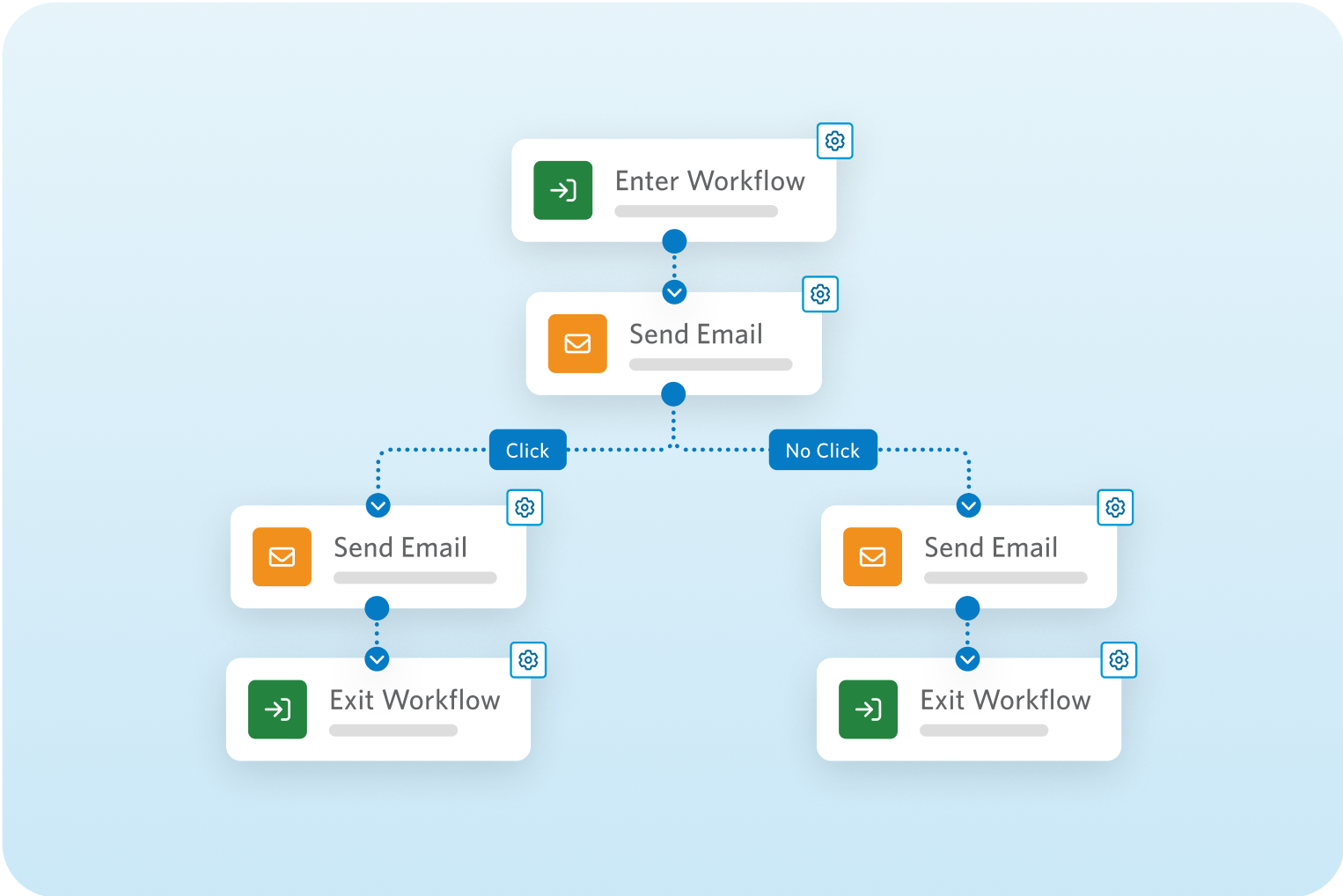
2. Automation and Lead Scoring Lose Their Trigger
Nurture flows, re-engagement sequences, and sales alerts that fire on an open or a click depend on that signal existing. Where it doesn't, contacts silently drop out of workflows they should be in, and marketing loses visibility into who's actually engaged.
3. Multi-Country Lists Get Harder to Report on Honestly
A single send to UK, French, and Italian contacts can legally require three different tracking treatments in one campaign. Most platforms have one setting per send. Once your list touches more than one jurisdiction, that's already a problem, whether or not anyone's flagged it yet.

Five Things to Check Before the Next Send
Italy's deadline is still ahead of you, and France's has already passed. Wherever your list falls between those two dates, these are worth checking now.
- Audit what your platform actually tracks. Find out what gets added to each message you send, opens, clicks, or both, and where that data flows once it's collected.
- Test whether your platform can tell recipients apart. Can it apply different tracking to different people on the same send, based on their consent status, without you manually splitting the list? Most can't. Worth confirming before it becomes a problem.
- Separate your consent flows. Marketing opt-in and tracking consent need to be two different permissions, captured and stored separately, not one checkbox doing both jobs.
- Make sure declining tracking doesn't mean declining your emails. Italy's guidance is explicit on this: someone can say no to being tracked and still stay subscribed. If opting out of tracking currently triggers an unsubscribe in your system, that's a fix that can't wait.
- Loop in compliance now, not after they ask. If marketing owns the platform and compliance owns the risk, better to bring them the plan than have them bring you the question.
If the answer to #2 is no, that's exactly the gap ConsentTrack was built to close.
Campaign Metrics Stay Whole. Individual Tracking Follows Consent.
ConsentTrack was built for exactly this problem, back in 2018. It's had years to mature, not months.
At a high level, ConsentTrack applies one of four tracking treatments to each recipient, from no tracking at all to full individual-level tracking, based on the consent you've captured for them:
- No tracking – Links go straight to their destination, no pixel, no redirect.
- Anonymous totals – You still get an accurate campaign-level open and click count, with no way to attribute activity to any one person.
- Unique but unidentified – Accurate unique counts at the campaign level, without that activity ever tracing back to a named contact.
- Full tracking – Standard individual-level tracking, applied only where consent exists.
One send and one list, with every recipient measured at the level they've actually agreed to. Nothing about the email looks different to them. What's different is what you're allowed to see on your end.
What this means for your dashboard
Delivery, opens, clicks, and trend data keep coming in across your whole list, anonymous contacts included, so your top-line reporting doesn't go dark. Individual-level features, engagement scoring, sales alerts, journey triggers, apply to consented contacts, exactly as the guidance requires.

Let's Talk
Want to see how ConsentTrack works compared to your current setup? We're happy to talk it through.
Disclaimer: The regulatory information on this page, including the CNIL and Garante deadlines, requirements, and checklist above, is provided for general informational purposes and doesn't constitute legal advice. Regulations continue to evolve, and how they apply to your organization will depend on your specific setup and the jurisdictions your list touches. We'd recommend checking with legal counsel before making changes to your tracking or consent practices.